The week before a photoshoot, it's easy to spiral a little. Will my dog cooperate? What if he won't sit still? What if she refuses to look at the camera? I hear these worries from clients all the time, and I completely understand them. But here's what I've learned after years of photographing dogs of every personality, energy level, and quirk: the week before your session matters, and not always in the ways you'd expect. A little intentional preparation goes a long way, and most of it is simpler than you think.
The Worry Is Normal (But It Doesn't Have to Run the Show)
Almost every client shows up to their session with some version of the same concern: my dog is going to be a disaster. Too hyper. Won't look at the camera. Doesn't like strangers. Acts completely different when we're somewhere new.
I've seen it all. And it always works out.
That's not just reassurance for the sake of it. It's something I've witnessed session after session. Dogs are wonderfully unpredictable, and part of my job is working with whatever personality walks through that field or trail with me. Your dog doesn't need to be perfectly trained or camera-ready. What helps most is showing up relaxed, prepared in a few specific ways, and trusting the process.
What Actually Makes a Difference the Week Before
Visit the Location Ahead of Time
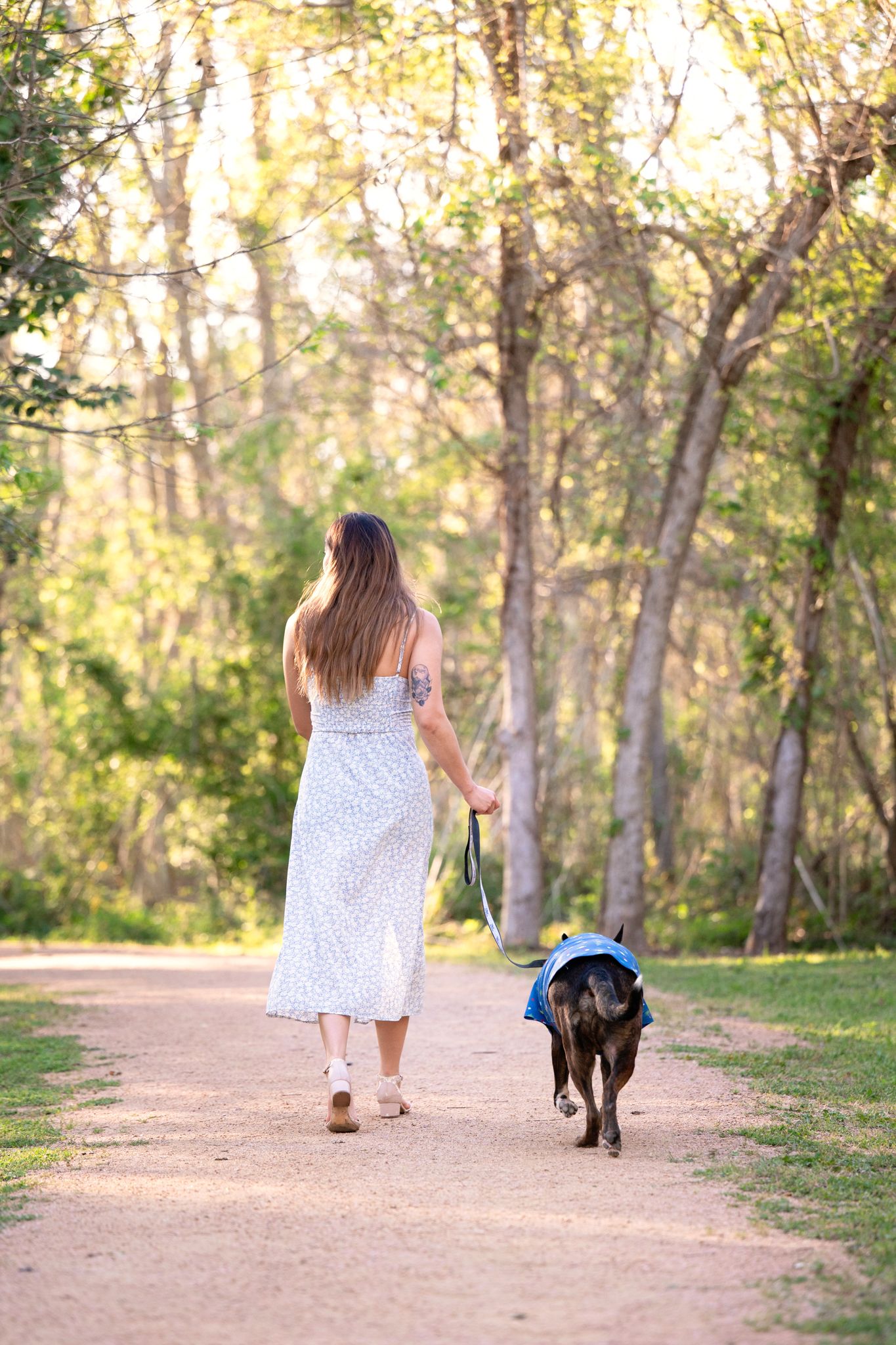
This is one of the most genuinely useful things you can do, and it's also one of the most overlooked. If you're able to visit the location where your session will take place, even just once, bring your dog and let them explore. Let them sniff the grass, take in the smells, get a feel for the landscape.
Familiarity helps dogs settle. When they've already experienced a place, they arrive on session day less focused on the environment and more present with you. That shift in energy shows in the photos in a real, visible way.
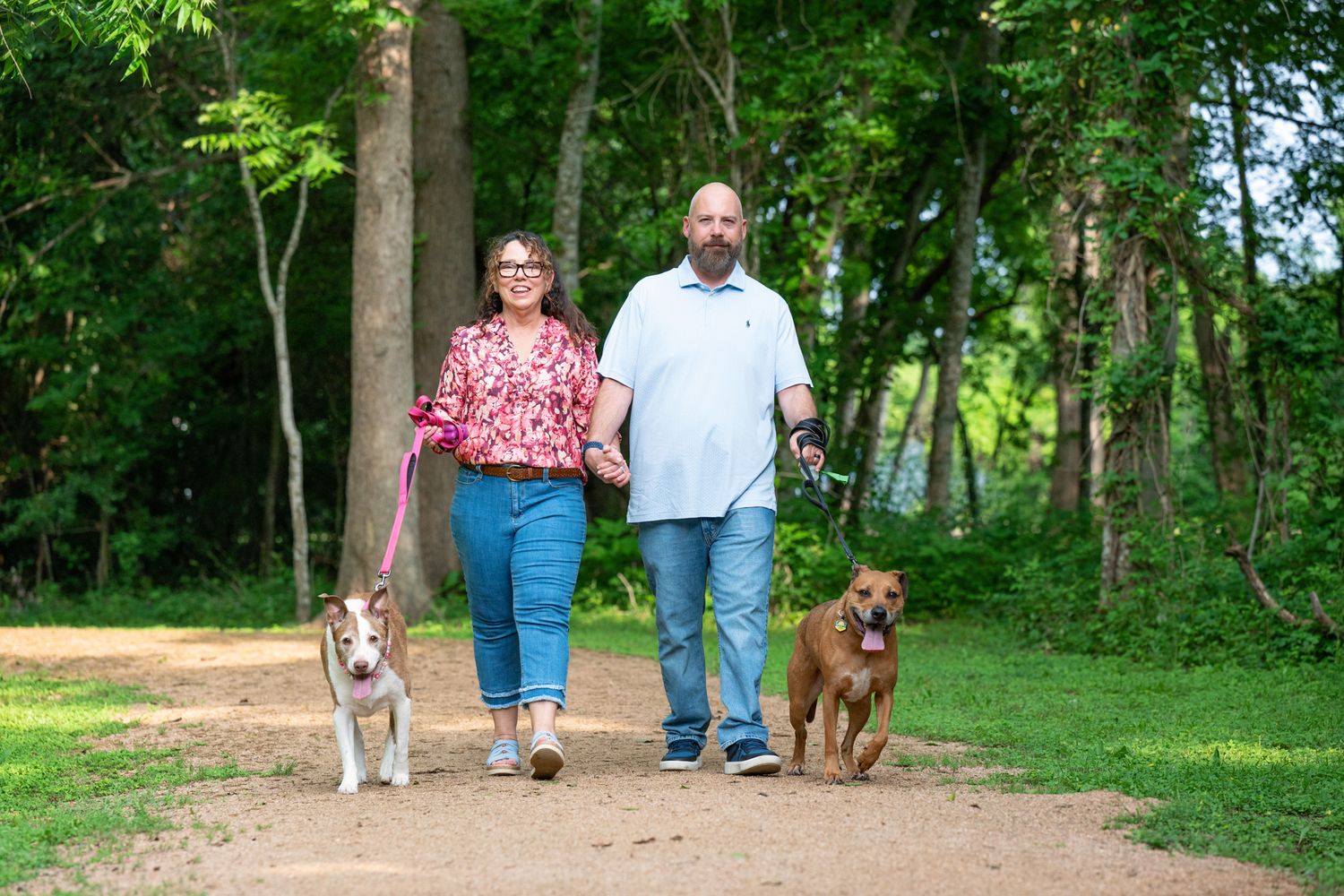
Take a Walk Beforehand - But Don't Exhaust Them
A walk before your session is a good idea. It helps burn off some of the initial excitement and gives your dog a chance to get into a calmer rhythm. Just don't overdo it. A dog that's too tired won't have the bright, engaged energy that makes for beautiful portraits.
The goal is relaxed and present, not depleted.
Bring Treats and Toys They Actually Love
Skip the new treat you picked up at the store last minute. Bring the ones your dog goes absolutely wild for - the high-value rewards they'd do anything for. Same with toys. If there's a specific squeaky duck or tennis ball that gets their attention every time, bring it.
These are tools I'll use throughout our session to get those ears-up, bright-eyed moments that make a portrait feel alive.
Grooming - Keep It Simple and Comfortable
Give your dog a bath and a brush a day or two before the session. They don't need to look fussy or overly styled. I'm drawn to natural, authentic images, and that includes how your dog looks. The goal is clean, comfortable, and like themselves.
If your dog finds grooming stressful, keep it minimal and spread it out over a couple of days so it doesn't feel like a big event right before the shoot.
The One Thing That Matters Most
Here is the piece of advice I come back to more than any other: relax.
I know that sounds simple, maybe even a little dismissive. But dogs are extraordinarily attuned to us. If you're anxious or stressed heading into the session, your dog feels it. It shifts their energy, and it shows in the images.
Your dog looks to you to understand how to feel about a situation. When you're calm and at ease, they're more likely to be too. The session becomes more natural, more connected, and that's when the images I love most tend to happen - the ones that capture not just how your dog looks, but who they are.
So in the days leading up to your shoot, try to let go of the outcome. Trust that I've worked with reactive dogs, energetic dogs, shy dogs, elderly dogs, and everything in between. Whatever your dog brings to the session, we'll work with it.
Why This Week Matters
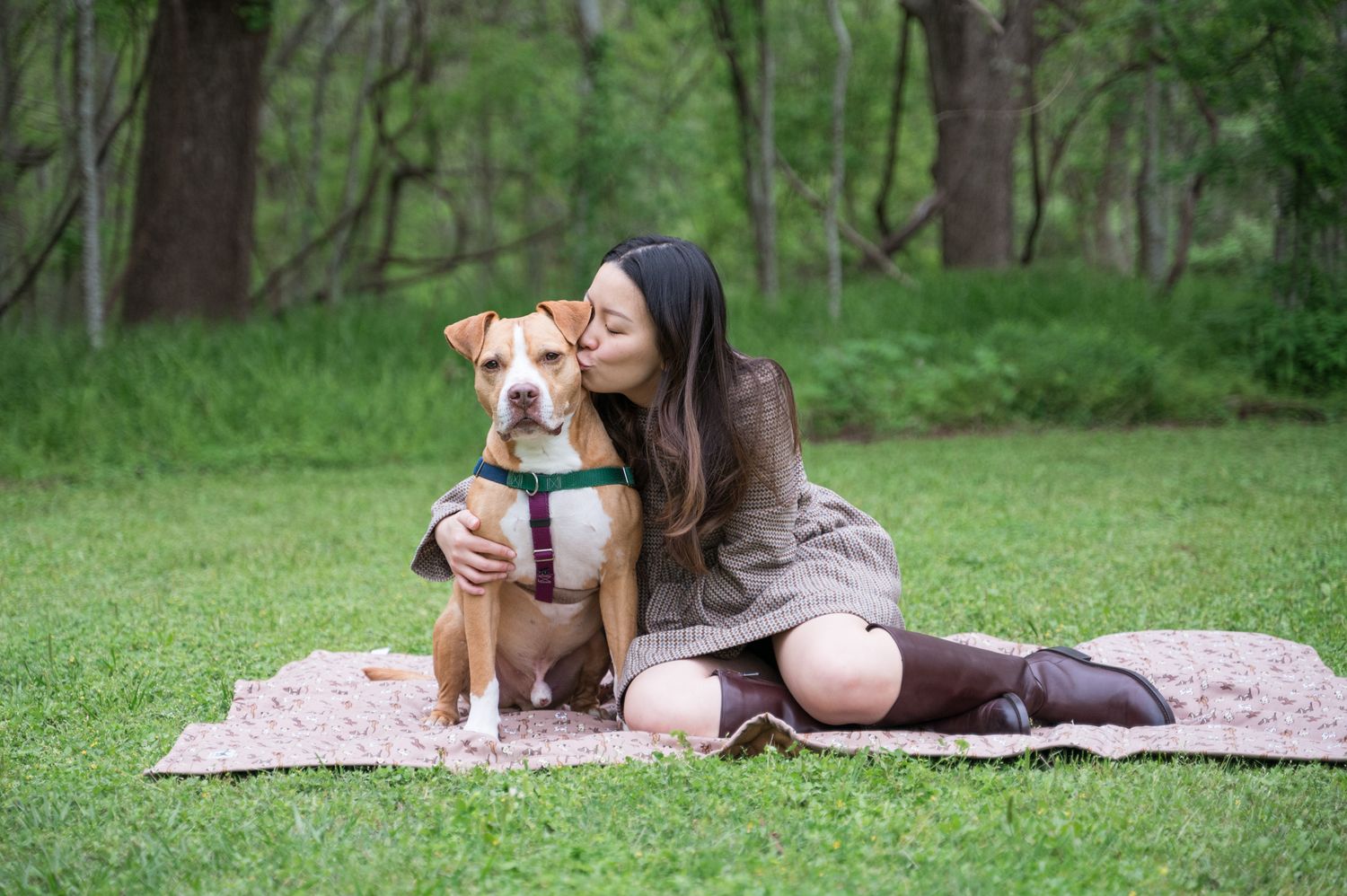
The images I create are meant to last. They're the ones you'll hang on your wall, return to after hard days, and hold onto long after your dog is gone. That kind of portrait doesn't come from a perfectly controlled session. It comes from a dog who feels safe and an owner who feels at ease.
The week before your shoot is your opportunity to set that foundation, not by following a rigid checklist, but by doing a few thoughtful things that help your dog feel familiar and your own nervous system settle.
The love is already there between you and your dog. My job is to photograph it. Your job is simply to show up and trust that we'll find it together.
Let's Create Something Beautiful Together
If you're thinking about booking a session - or if you've been on the fence because you're worried your dog "won't be a good model" - I'd love to hear from you. I work with dogs of all personalities across the Houston area, and I genuinely enjoy the ones that keep me on my toes.
Reach out and let's talk about your dog, your vision, and what it looks like to create portraits you'll treasure for the rest of your life.