How to Choose a Portrait Photographer in Houston Whose Work Feels Inclusive, Natural, and True to You
If you've ever thought "I just want photos of my dog" and then ended up with your favorite photo of yourself in years, you already understand what I'm talking about. Choosing a photographer isn't only about finding someone with a good eye. It's about finding someone whose whole approach makes you feel like you can exhale - like you don't have to perform, prepare a face, or worry about whether your pet is going to cooperate. That kind of experience doesn't happen by accident, and knowing what to look for before you book can make all the difference.
The Fear Most People Don't Say Out Loud
Almost every client who contacts me leads with the same request: they want their dog or horse photographed. And almost every single one of them adds, somewhere in the conversation, that they don't want to be in the photos themselves.
I hear this constantly. The camera feels like a spotlight, and most people would rather step out of the frame entirely than risk not liking what they see.
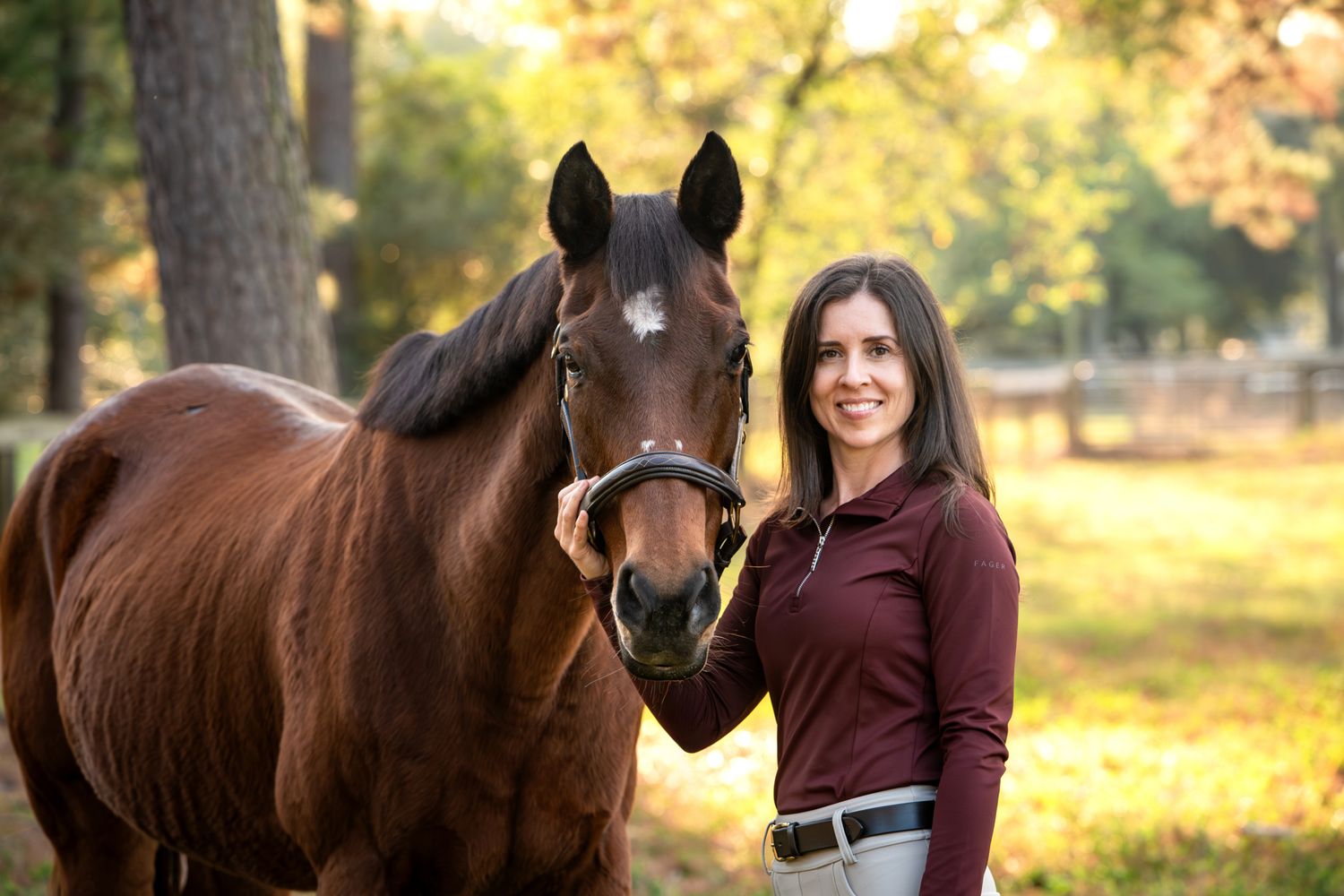
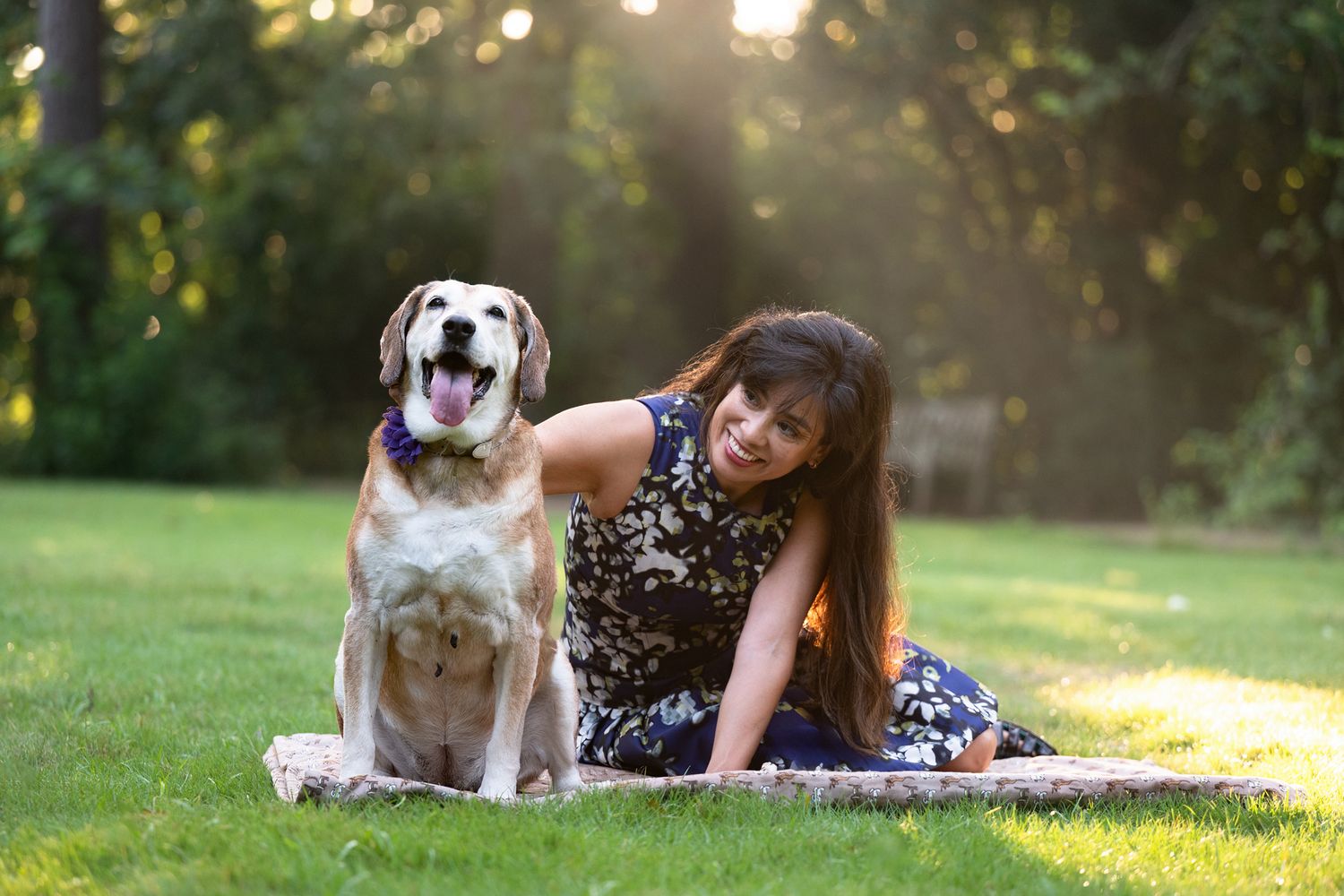
What I've learned, session after session, is that this hesitation usually melts away on its own - when the environment feels calm, when no one is being directed into stiff poses, and when the focus stays on the animal. By the end of nearly every session, we've taken at least one photo together. And those are always, without exception, the images clients love most.
The photos of them with their pet. The ones they almost didn't take.
What "Inclusive" Actually Looks Like in Practice
A lot of photographers will tell you they make everyone feel comfortable. That's easy to say. What's harder is describing what that actually looks like when a dog is anxious, an owner is stiff, and the light is fading.
For me, it starts with the animal.
I watch the pet first. I look for signs of stress or anxiety - a tucked tail, avoidance, a change in breathing. I look for signs of tiredness. Because here's what I've come to understand after years of working closely with animals: when a pet is anxious, the owner is anxious too. And when both of them are unsettled, the photos reflect that.
So the whole session is built around keeping the vibe as relaxed as possible. No one has to perform. No one has to be "on." We're just spending some time together while I take photos.
That's it. That's the approach.
What to Actually Look for When Choosing a Pet Photographer
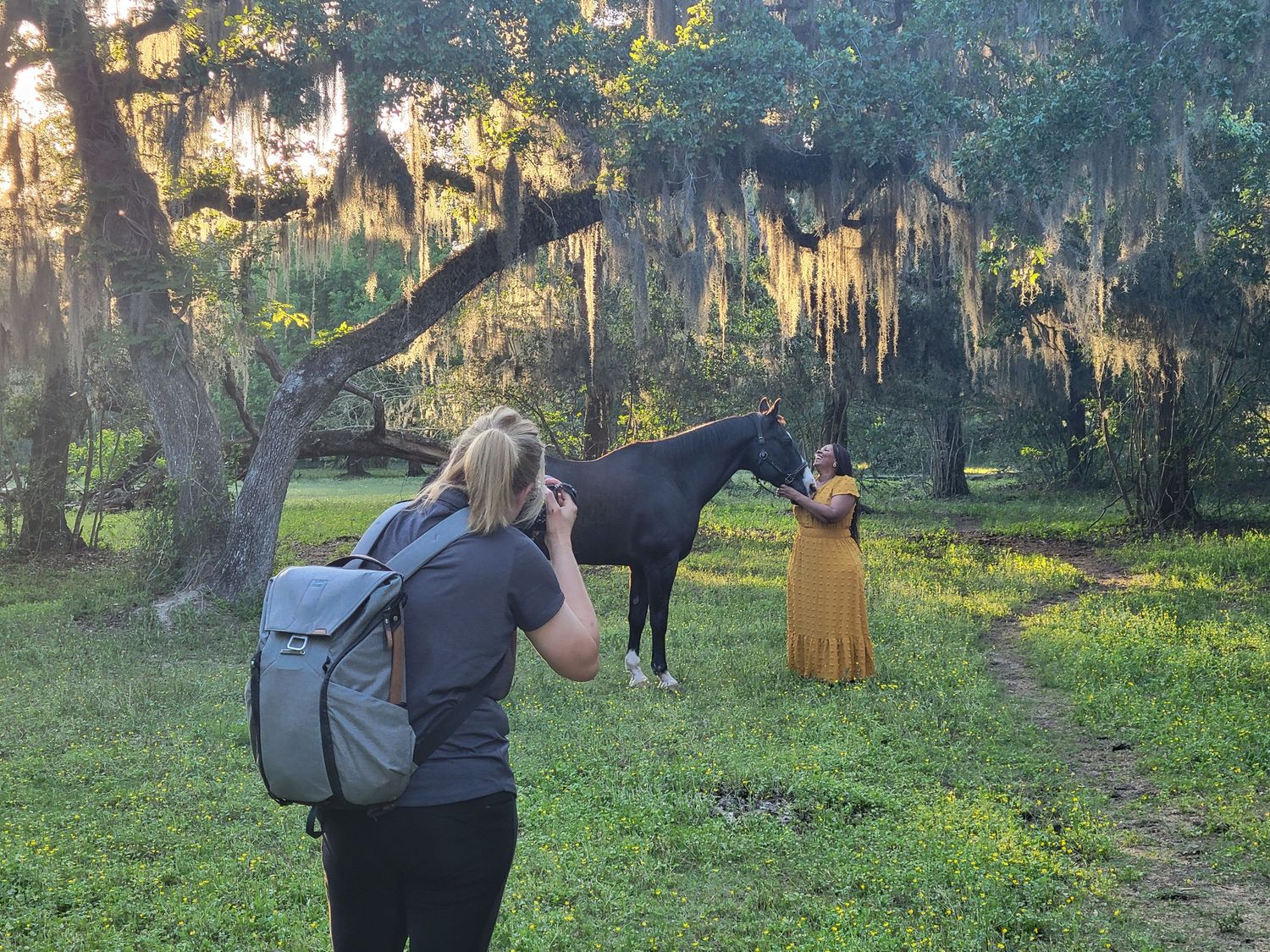
When you're researching photographers, here are a few things worth paying attention to beyond the portfolio:
Do they understand animal behavior?
This matters more than most people realize. A photographer who reads animal body language can adjust the pace of a session before stress escalates. One who doesn't might push for that perfect sit-stay until everyone is miserable. Ask how they handle reactive dogs, shy horses, or pets who don't love strangers. The answer will tell you a lot.
Do they talk about the experience, not just the images?
The photos are the goal, but the session is how you get there. A photographer who only talks about their editing style or their camera gear may not be thinking much about your comfort - or your pet's. Look for someone who describes the session itself as something worth showing up for.
Do they make space for you, not just your pet?
If you're someone who'd rather stay out of the frame, a good photographer will gently hold space for the possibility that you might change your mind. No pressure, no forcing. Just an open door. Because the images of you together with your pet are often the ones that matter most, years later.
Do they adapt to your animal's personality?
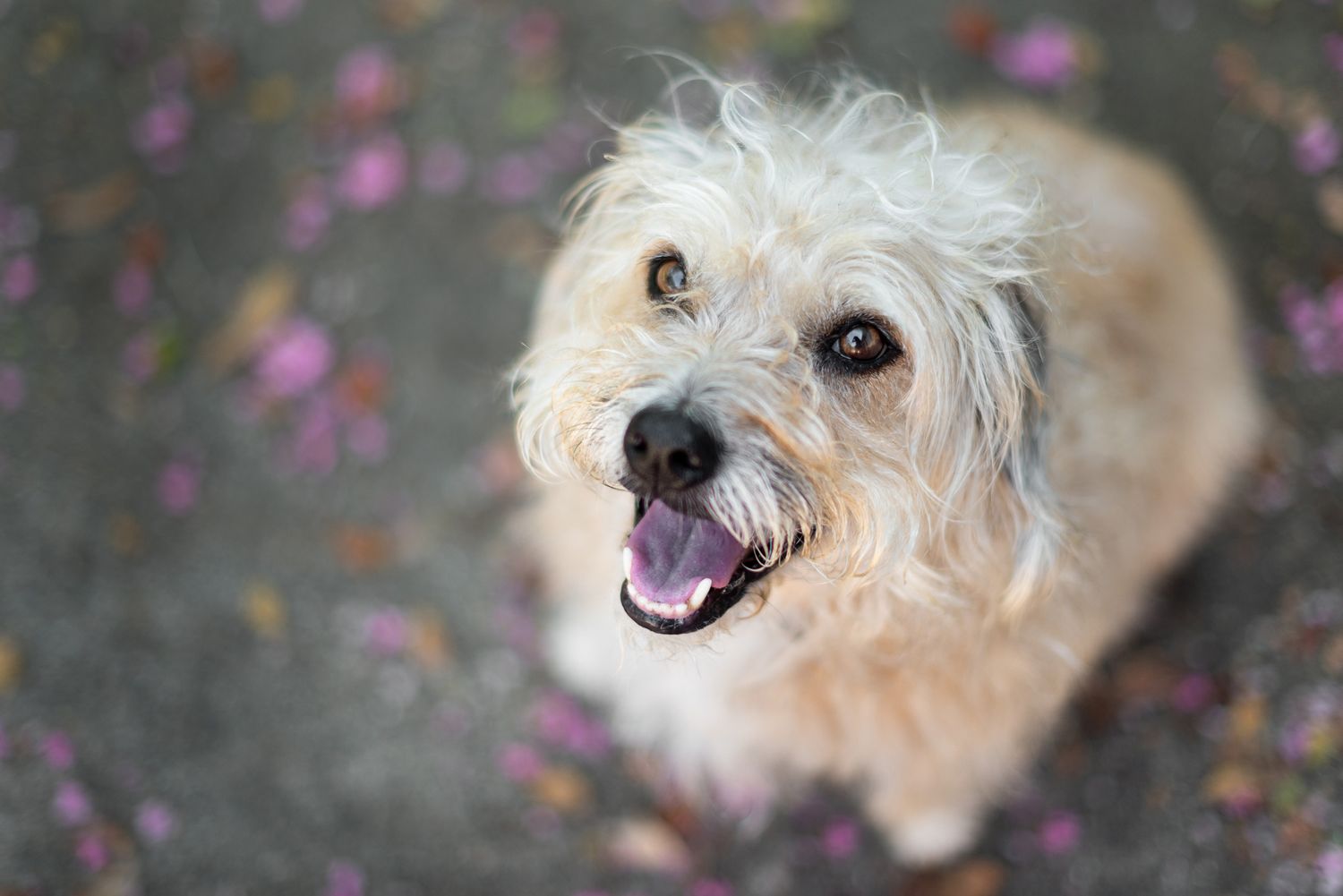
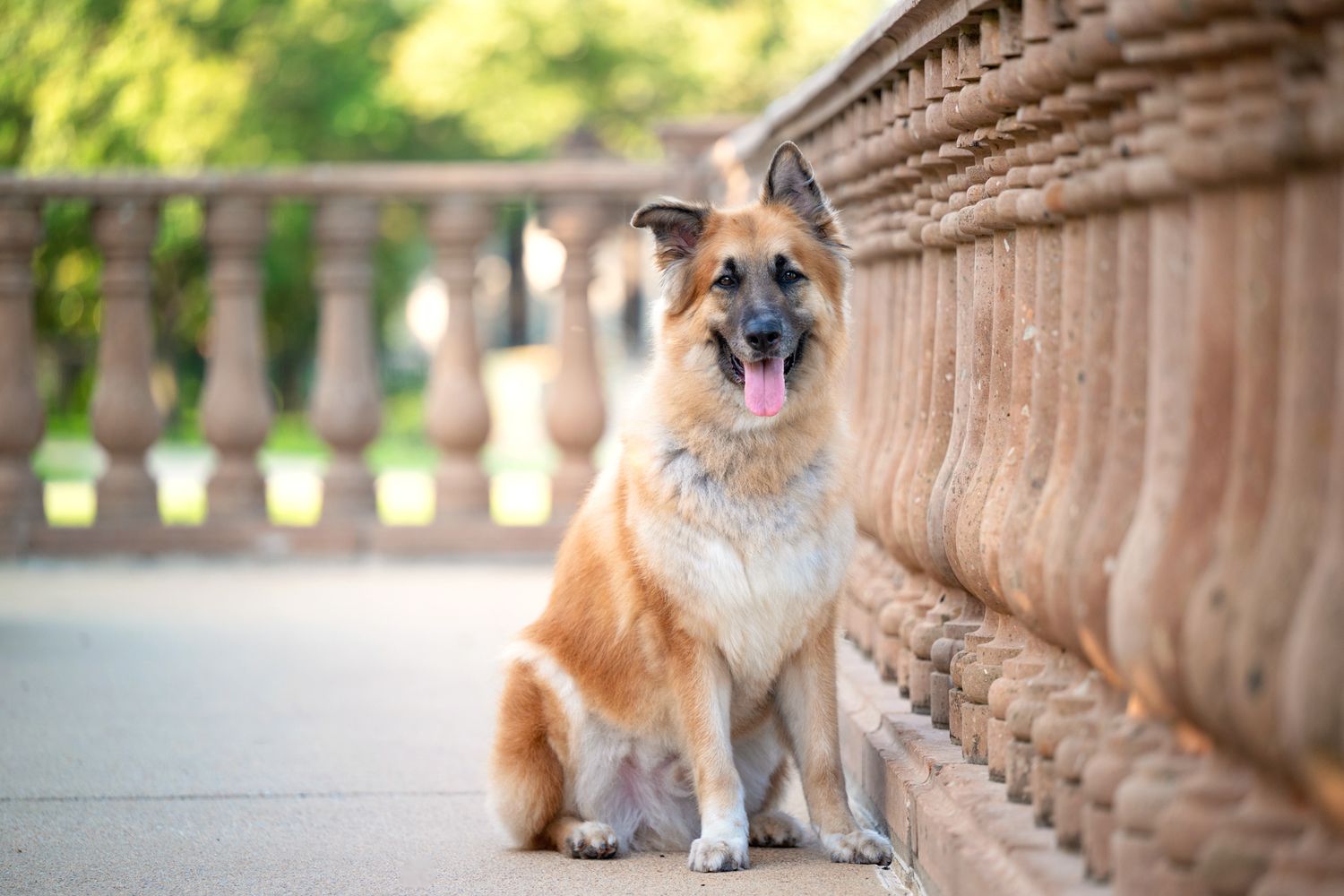
There's no such thing as a difficult pet - only a session that needs to be shaped around who that animal actually is. A reactive dog, an elderly horse, a black lab who refuses to sit still: these aren't problems. They're just personalities. A photographer with experience across a wide range of animals will know how to work with them, not against them.
Does their work feel real?
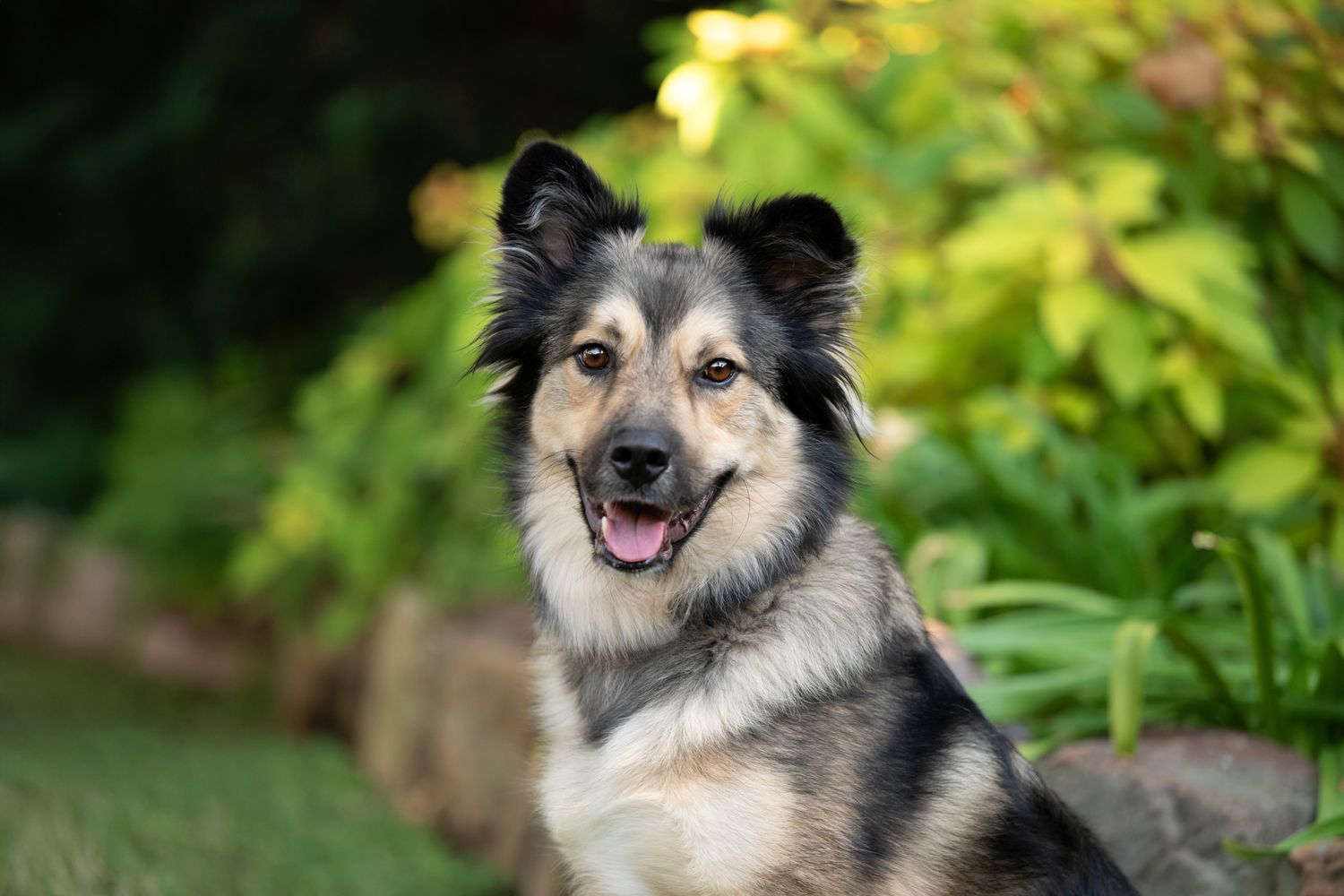
Look at their portfolio with this question in mind: do the animals look comfortable? Do the people look like themselves? There's a difference between a portrait that looks beautiful and one that also feels true. You want both.
Why This Matters More Than You Might Expect
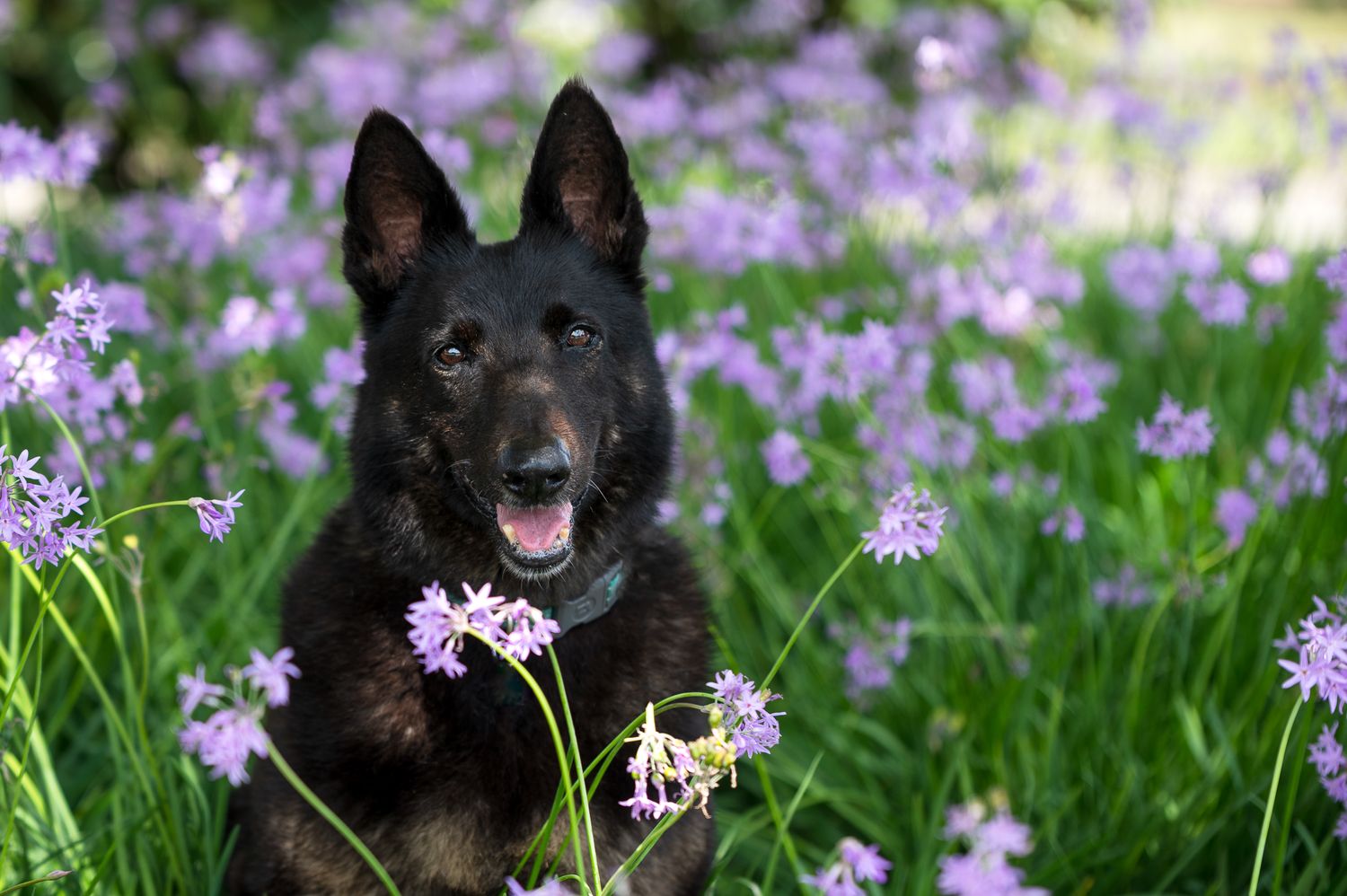
You're not just booking a photo session. You're creating something you'll keep for a long time - something you might look at every single day on your wall, or reach for in a difficult moment after your pet is gone.
I've had clients come back to me after losing a dog or a horse, and tell me that the portraits we made together are what they hold onto. That the images give them something to return to. That's not something I take lightly.
So the photographer you choose matters. Their approach matters. The way they make your pet feel in those two hours matters. The way they make you feel matters.
I started this work after years in zoology and wildlife conservation, eventually finding my way to pet photography through volunteer work with dog rescues. I've photographed animals in all kinds of settings and situations. And what I've carried through all of it is a deep respect for animals as the emotionally intelligent, fully feeling creatures they are - and a belief that the bond between a person and their pet is something worth honoring carefully.
Ready to Create Something That Feels Like You?
If you've been on the fence about booking a session because you're worried your dog won't cooperate, your horse is too difficult, or you don't photograph well, I want you to hear this: those concerns are completely understandable, and they're also things I think about and prepare for every single time.
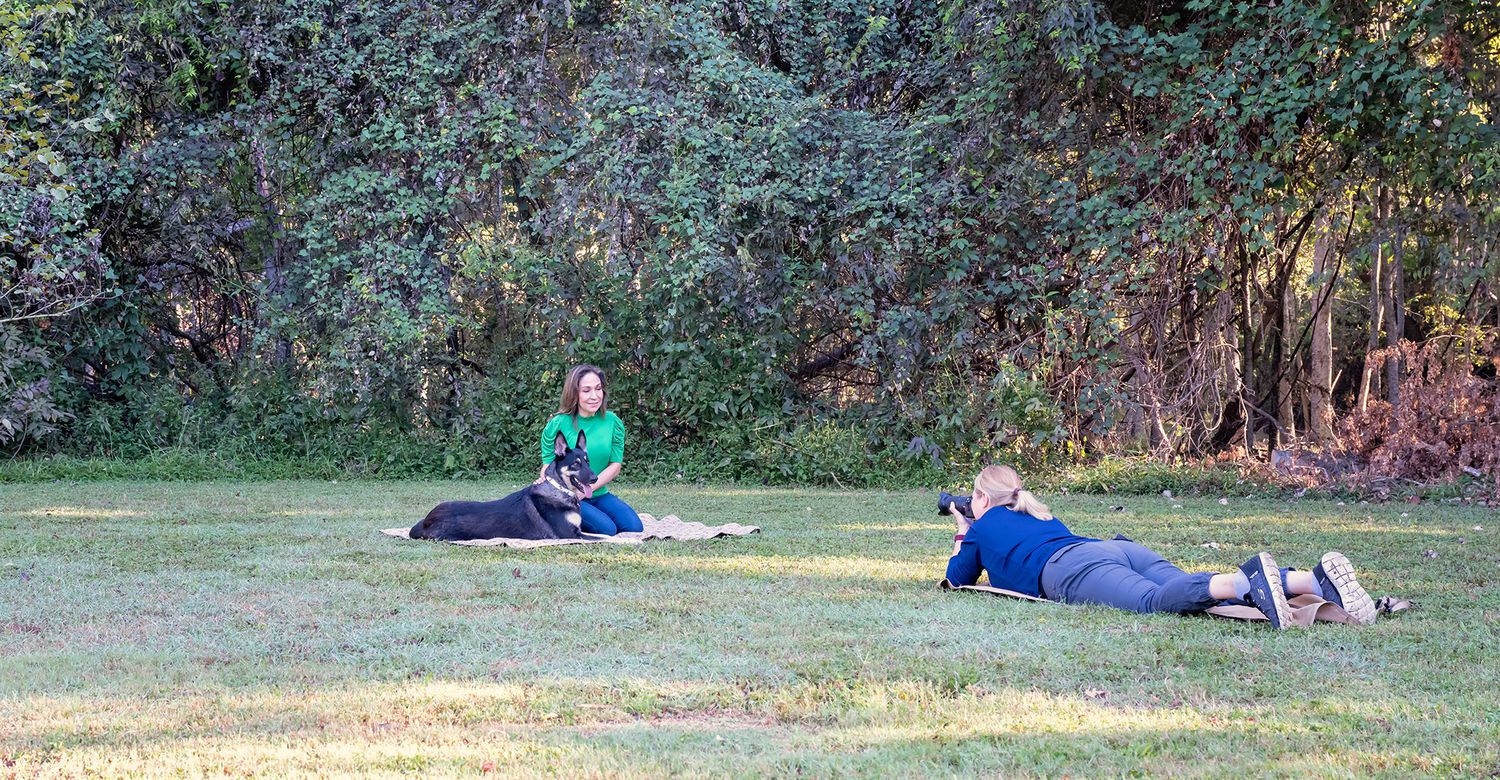
My goal is for this to be a joyful experience - some quality time with your pet, outside, with someone who genuinely loves animals and is happy to move slowly. You don't have to be a natural in front of the camera. Your pet doesn't have to be trained. You just have to show up as you are.
That's more than enough.
If you'd like to learn more about what a session looks like or talk through any concerns, I'd love to hear from you. Let's start the conversation.